Current | Self-led, full-stack build
Skills Demonstrated: GPT Application Development · Conversational UX · Knowledge-Base Design · Production Deployment · API Integration
Nia — Multi-Tenant AI Platform. Nia is a modular, multi-tenant AI assistant that can be dropped into any business with its own personality, voice, and knowledge base. She runs on real voice transcription and persistent memory across sessions, with production deployment and API integration built in from day one. Nia is live now and currently being tested.
Nia's architecture builds directly on two earlier deployments: Lily, a live GPT-powered salon assistant, and Herber AI, a document-trained technical-support assistant for an aerospace parts client. Both were proof-of-concept builds that shaped how Nia handles conversation, memory, and knowledge retrieval.
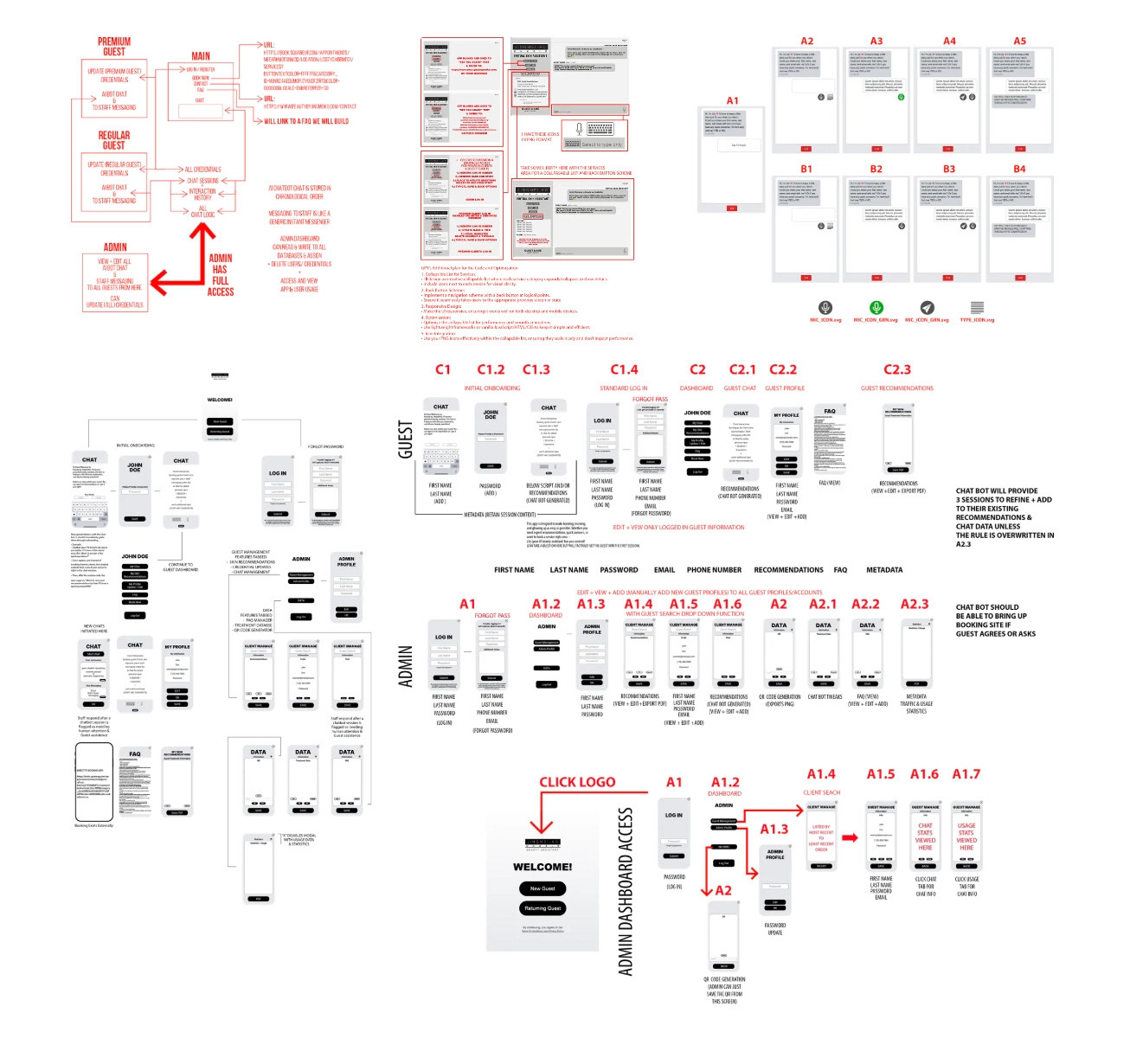
Lily — Live Salon Assistant. Designed and engineered Lily, a fully deployed, GPT-powered AI assistant for Beauty by JingMei-Ko — built and shipped solo, end to end. Lily combines conversational architecture, voice interaction (TTS/ASR via Deepgram), session memory, and document rendering on a stack of OpenAI, Deepgram, Supabase, and Vercel.
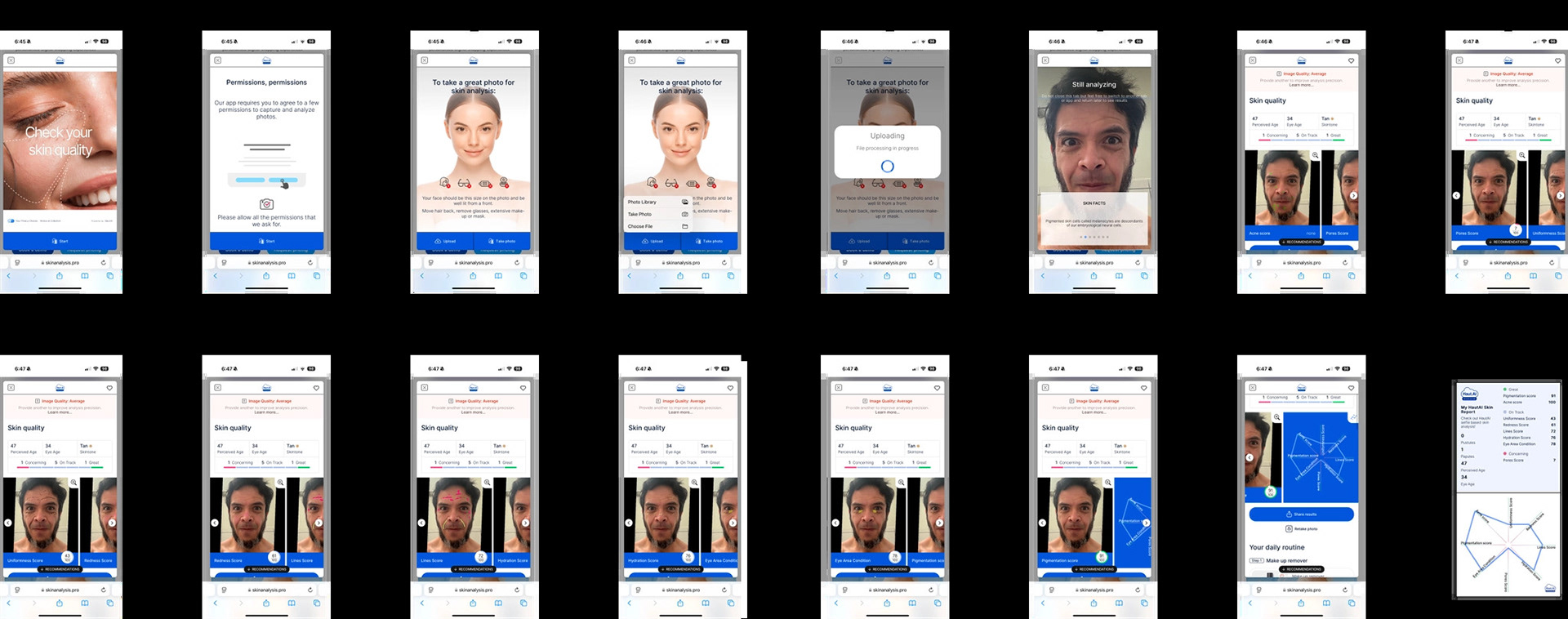
Lily walks new guests through a short skin consultation, explains services and pricing accurately, and knows when to redirect a guest to a dermatologist rather than overstep — the kind of judgment call that separates a real product from a demo.
The build went through real iteration, not just a first draft: an early version included a fully functional PDF consultation-report generator, which shipped and was later deliberately cut once it stopped earning its complexity in the guest flow — a call made by testing the product in the real world, not by guessing.
Lily didn't stop at launch. Every real guest interaction — questions nailed, questions fumbled, edge cases nobody scripted for — fed a continuous cycle of notes, iteration, and re-testing. Running a live AI assistant inside an actual business is what taught Nia's architecture what a document-grounded conversational system actually needs to hold up outside a demo.
That process also led to a cross-domain collaboration with Joshua Bono, a radiation analyst in engineering electronics, who tested Lily and later shared a curated library of biological and radiation/nuclear research his team was building. Trading ideas — both leaning on tools like Claude — pushed Nia's architecture forward in ways a solo build wouldn't have.
Herber AI — Aerospace Technical Support. A custom-trained technical-support assistant for Herber Aircraft, built to instantly answer questions about hoses, wire harnesses, FAA certs, and MIL-SPEC docs directly from Herber's own technical PDFs. Engineers and techs were losing hours digging through dense documentation for a single spec or certification — Herber AI solves that. Powered by OpenAI and Supabase, it runs a Python PDF ingestion pipeline, OpenAI text-embedding-ada-002 embeddings, and Postgres vector search with cosine similarity matching to surface the most relevant source content before GPT-4 generates an accurate, citation-grounded answer. Fully private, hosted locally, and cloud-ready.
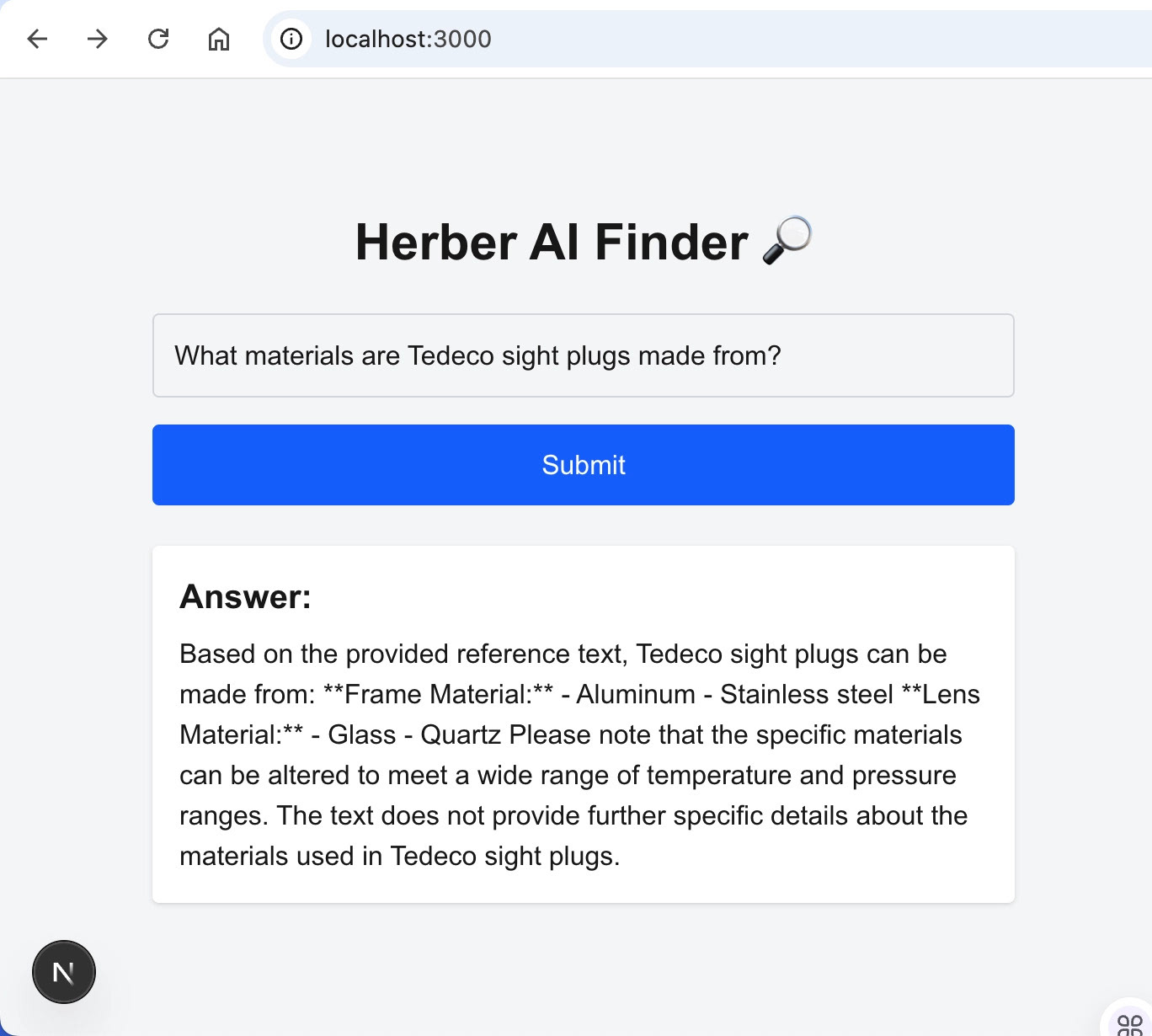
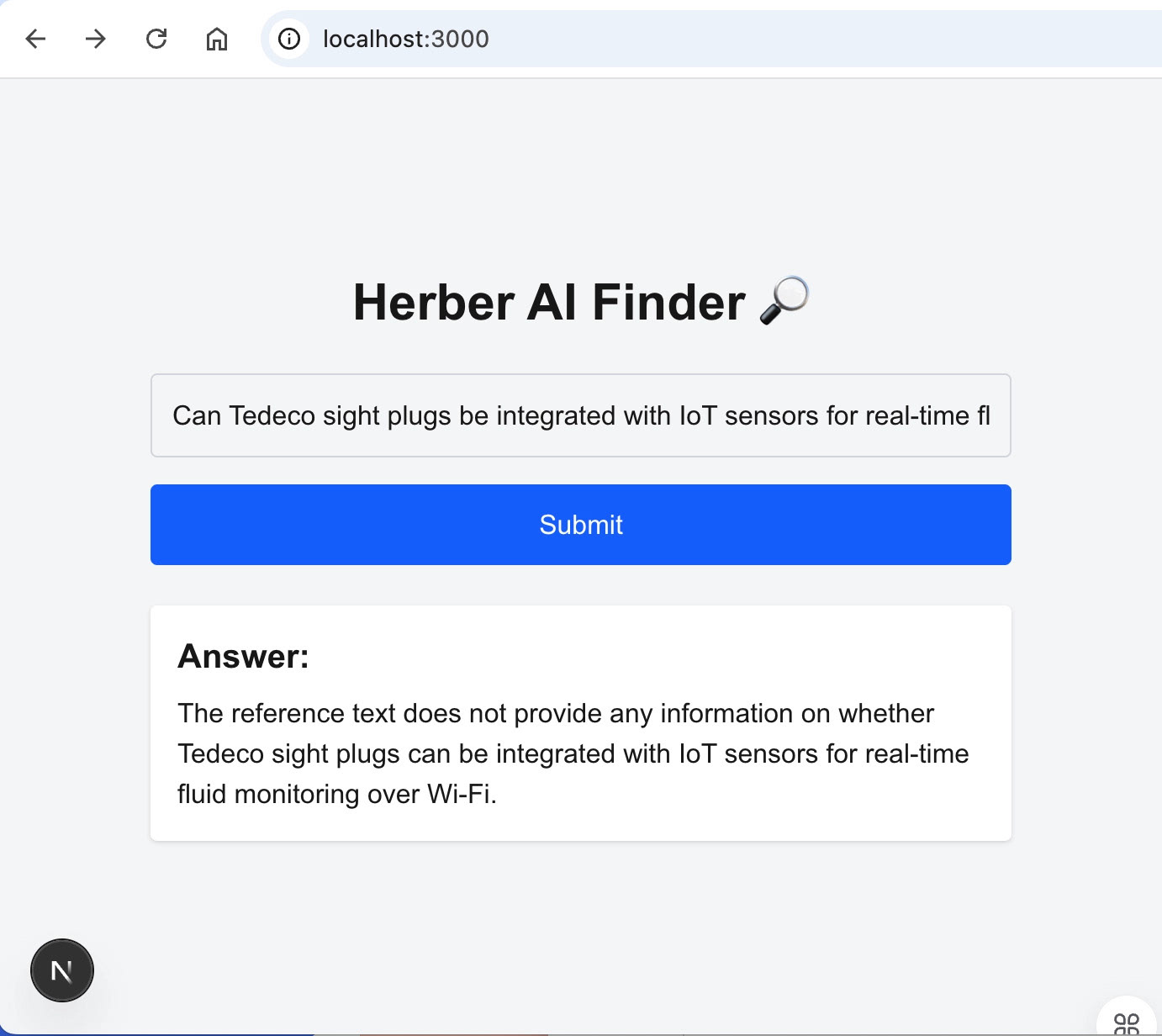
What It Can Do (So Far): find specific hose specs by name, retrieve FAA repair station IDs and global certs, summarize MIL-SPEC qualification info, extract temperature ranges, PSI ratings, bend radius, and part compatibility — and it responsibly declines to answer when a question falls outside the source documentation, rather than speculating. Same structured, document-driven engine as Lily and Nia — different domain, same disciplined build process.
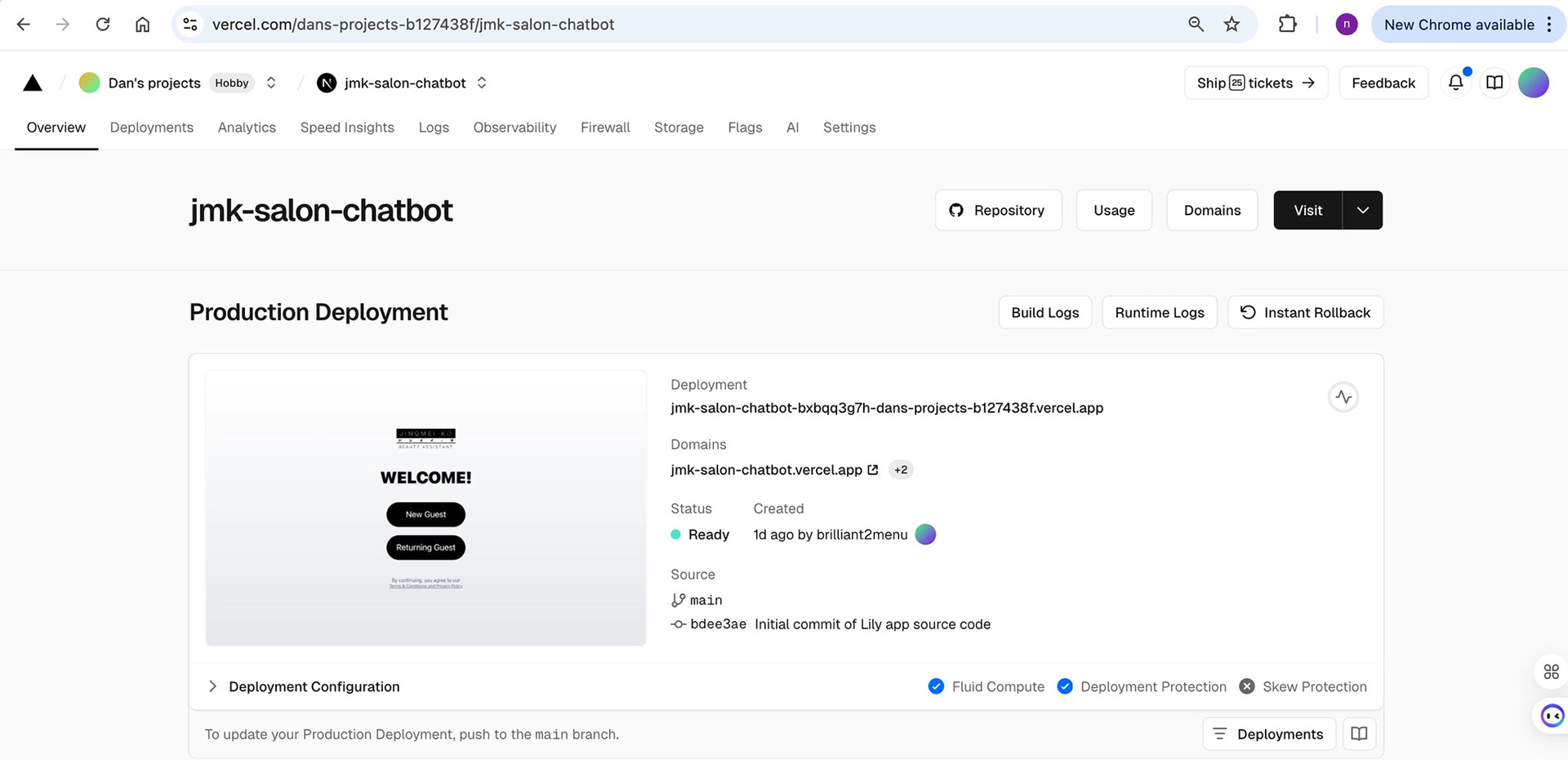
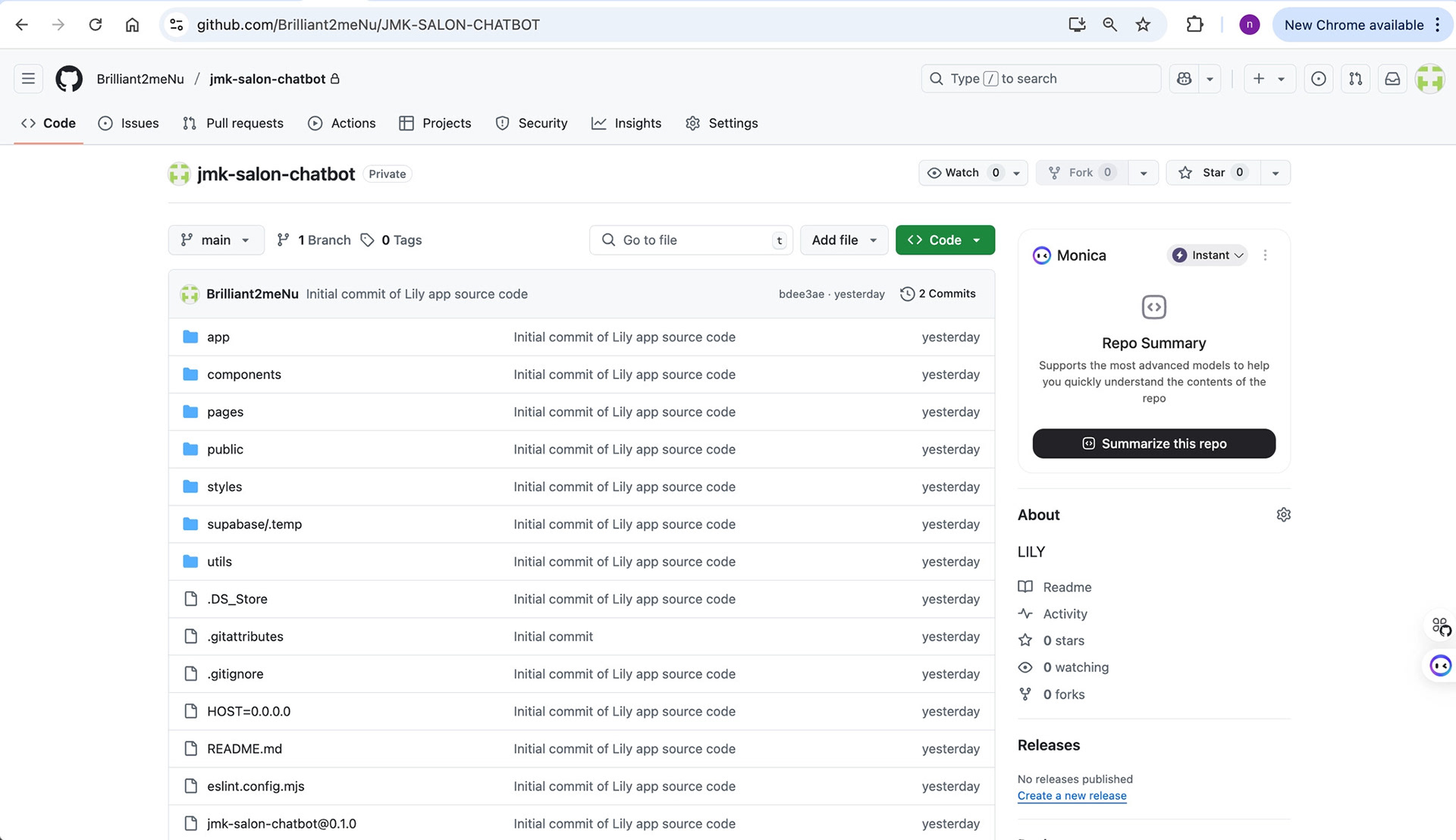
Under the Hood — Architecture & Deployment. Lily's stack: Next.js 15 and Tailwind on the frontend, Vercel serverless functions for the API layer, OpenAI GPT and Deepgram for language and voice, and Supabase for session and analytics data — all hosted on Vercel with GitHub-triggered auto-deploys.